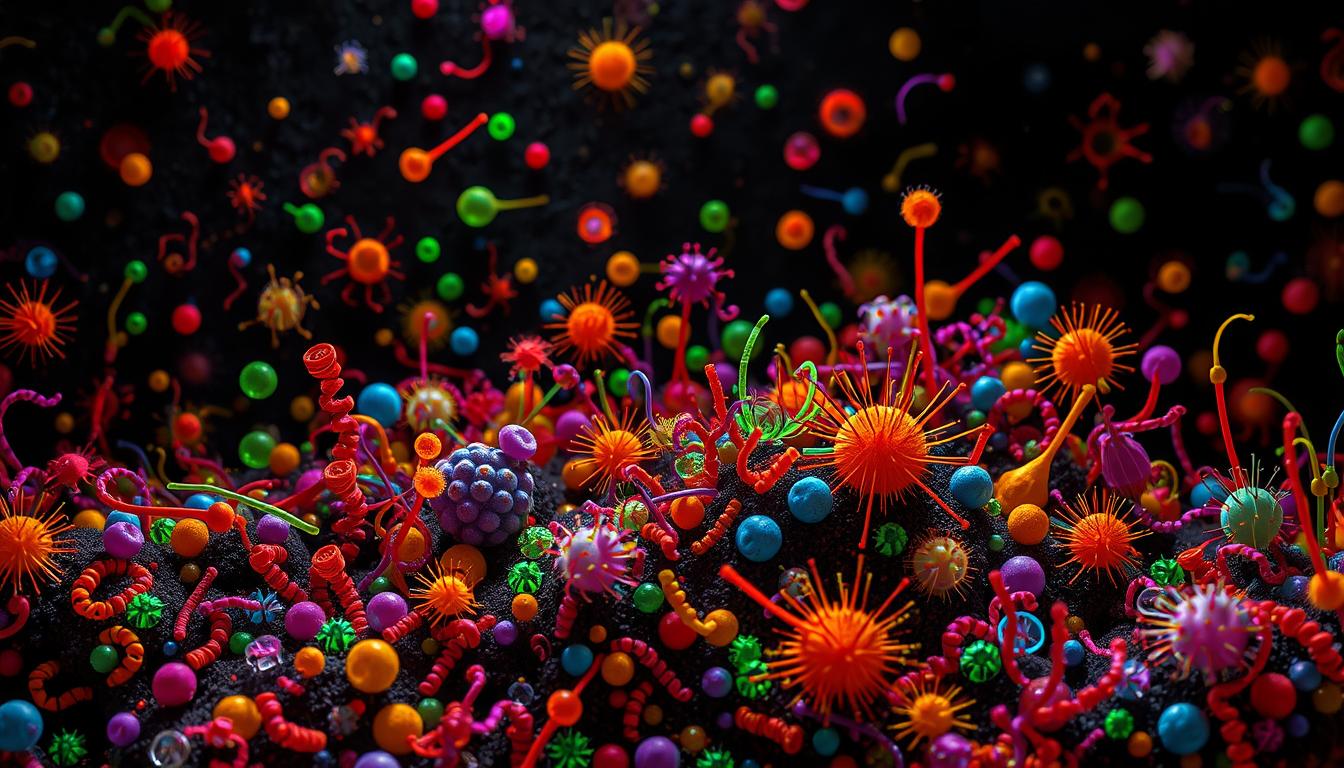
In our world, there’s a hidden realm full of life – the world of microorganisms. These tiny creatures may seem small, but they greatly affect our lives. They are in the air we breathe and the food we eat, including bacteria, fungi, and viruses.
Microbiology, the study of these tiny beings, has made many amazing discoveries. Microbes are not just interesting facts; they are crucial in ecosystems, industries, and our bodies. They help keep us healthy and the planet balanced.
Exploring microbiology reveals a world of complexity and wonder. It shows how all life is connected. Let’s dive into the world of microbes and see how they impact our lives every day.
Understanding Microbiology: A Brief Overview
The history of microbiology is filled with discovery and innovation. It started in the 17th century with the invention of the microscope. This allowed scientists to see the tiny world of microbes.
Pioneers like Louis Pasteur and Robert Koch made big strides. They showed us the diversity of types of microbes. This expanded our knowledge of the smallest lifeforms on Earth.
Today, microbiologists study many kinds of microorganisms. These include bacteria, viruses, fungi, and protozoa. Each has its own role in our world.
They help us understand how microbes work in ecosystems, human health, and industry. Their research is key to our knowledge.
“The greatest warriors are the smallest.”
Our technology has improved, so we can study microbes better. We use microscopy and genomic analysis to learn more. This keeps the field of microbiology growing.
Microbiology helps us understand the human microbiome and find sustainable solutions. It also uncovers microbes’ roles in nature. This field is both vital and exciting.
The Role of Microbes in Ecosystems
Microbes are the unsung heroes of our planet’s ecosystems. They play a vital role in keeping life thriving. Through their work in ecosystem balance, nutrient cycling, and biodegradation, microbes keep the flow of energy and resources going.
In the soil, microbes are the engine of nutrient cycling. They break down organic matter, releasing nutrients like nitrogen, phosphorus, and potassium. Plants then absorb these nutrients to grow. This cycle is key to soil health and farming success. Microbes also help control greenhouse gases, keeping the ecosystem in balance.
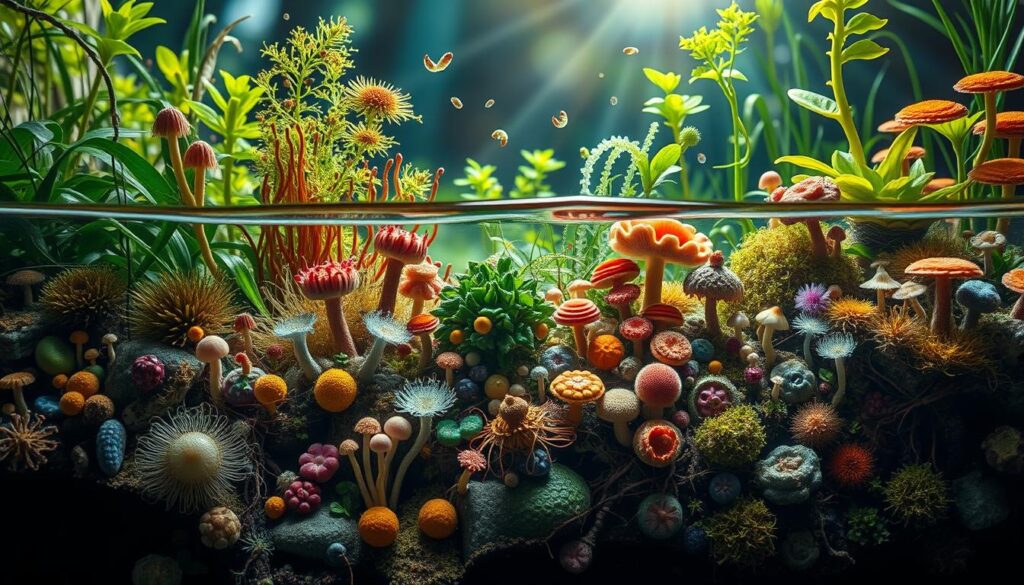
Beyond land, microbes are crucial in water environments. They are the main decomposers in lakes, rivers, and oceans. They break down dead matter through biodegradation. This process cleans the water and releases nutrients for algae and other aquatic life, keeping these ecosystems balanced.
The importance of microbes in our planet’s ecosystems is huge. These tiny powerhouses are the unsung heroes that keep our world balanced. They cycle nutrients and ensure the natural world stays vibrant.
Beneficial Microbes: Friend or Foe?
The world of microbiology is full of fascinating details. It’s home to both helpful and harmful microbes. While some microbes can harm us, others are crucial for our health. These tiny helpers are key in the world of probiotics, fermentation, and how living things work together.
Many tasty foods, like yogurt and cheese, get their flavor from microbes. These tiny workers break down food, making it taste good. They also help our guts stay healthy, which is important for our overall health.
“The more we learn about the microbiome, the more we realize how essential these tiny organisms are to our health and the health of our planet.”
But microbes do more than just help us. They work with plants, animals, and even whole ecosystems. They help the soil and support coral reefs, among other things. These tiny helpers are vital for life on Earth.
As we learn more about microbes, we see they’re not just foes. They’re important partners in the web of life. They help keep our planet and bodies healthy and strong.
Pathogenic Microbes: The Bad News
Most microbes are good for us, keeping our ecosystems in balance. But, there’s a bad side to microbes too. Pathogenic microbes, or infectious diseases, are a big threat to our health. They can invade our bodies, break down our defenses, and cause many illnesses.
One major worry is antibiotic resistance. Using antibiotics too much has created superbugs. These bacteria are hard to kill, making it tough to treat diseases. Epidemiology, the study of disease patterns, is key to solving this problem.
“Antibiotic resistance is one of the biggest threats to global health, food security, and development today.”
– World Health Organization
But, there’s still hope. Medical research, better health practices, and awareness can fight infectious diseases. By learning about pathogenic microbes and taking action, we can create a healthier future.
The Microbiome: Our Living Ecosystem
The human microbiome is a complex world inside us. It’s home to trillions of microorganisms like bacteria, viruses, and fungi. These tiny beings are key to our health and happiness. Scientists, through the Human Microbiome Project, have learned a lot about them. They found out how they affect our digestion, immune system, and even our mood.
A healthy gut microbiota is vital for a balanced microbiome health. These tiny helpers break down food, fight off bad germs, and keep our immune system in check. Our diet, lifestyle, and environment can change our microbiome. This can lead to health problems if it gets out of balance.
“The microbiome is not just a collection of microbes; it is an ecosystem that is deeply integrated with our physiology and development.”
Keeping our microbiome diverse and healthy is important for our well-being. By learning about this ecosystem, we can take care of it. This helps us live in harmony with the tiny life inside us.
Microbiology in Medicine
Medical microbiology is key to better healthcare. It helps diagnose diseases and create vaccines. Microbiologists use advanced methods to find disease causes, leading to quick and right treatments.
Medical microbiology has made big leaps in vaccine development. By studying disease-causing microbes, scientists create vaccines. This protects people and communities. The COVID-19 pandemic showed how crucial this work is, as vaccines saved many lives.
“Microbiology is the foundation for modern medicine, providing the insights and tools necessary to combat infectious diseases and improve human health.”
Medical microbiologists also fight against drug-resistant microbes. They study microbes to find new antimicrobial therapies. This keeps our treatments effective against resistant pathogens.
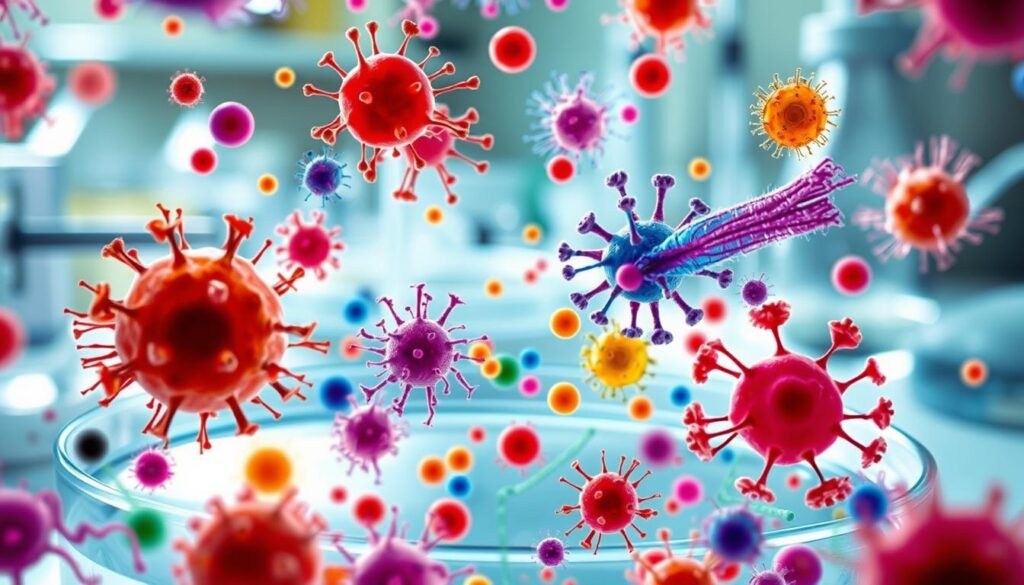
As medical microbiology grows, we’ll see more exciting breakthroughs. We’ll see better diagnostics and understanding of our microbiome. The future looks bright for improving health and wellbeing.
Industrial Microbiology: The Big Picture
In the world of industrial microbiology, microbes do more than just lab work. They are changing many industries, like food and cleaning the environment. Biotechnology is especially key, using microbes to solve big global problems.
One exciting area is biofuels. Microbes can turn plant waste or algae into fuel, helping us use less oil and fight climate change. This could be a big step towards a greener future.
Bioremediation is also making big strides. Microbes can clean up pollution, like oil spills and toxic metals, making our ecosystems healthy again. It shows how powerful these tiny creatures are.
“Microbes are the unsung heroes of the industrial world, quietly working behind the scenes to transform our most pressing challenges into sustainable solutions.”
Exploring industrial microbiology opens up endless possibilities. They help make food better and create new medicines. As we keep using biotechnology, our future looks brighter with every new discovery.
Environmental Microbiology
The world of microbes is vast, extending beyond our bodies into diverse environments. Extremophiles, microbes that thrive in harsh conditions, show the resilience of microbes. They live in extreme places like scorching deserts and freezing tundra, playing key roles in biogeochemical cycles that keep our planet balanced.
Microbes are not just passive in their environments; they actively shape it. In microbial ecology, scientists study the complex interactions between microbes and their surroundings. They find microbes’ crucial roles in keeping ecosystems healthy and resilient. Microbes break down organic matter and cycle essential nutrients, making our planet thrive.
“Microbes are the engines that drive the world. They are the unseen heroes that maintain the balance of life on Earth.” – Dr. Jane Doe, renowned environmental microbiologist
As we face environmental challenges like pollution and climate change, environmental microbiology offers hope. Microbes can break down and transform pollutants, helping us fight environmental degradation. By using microbes’ power, we can find new ways to tackle pressing environmental issues.
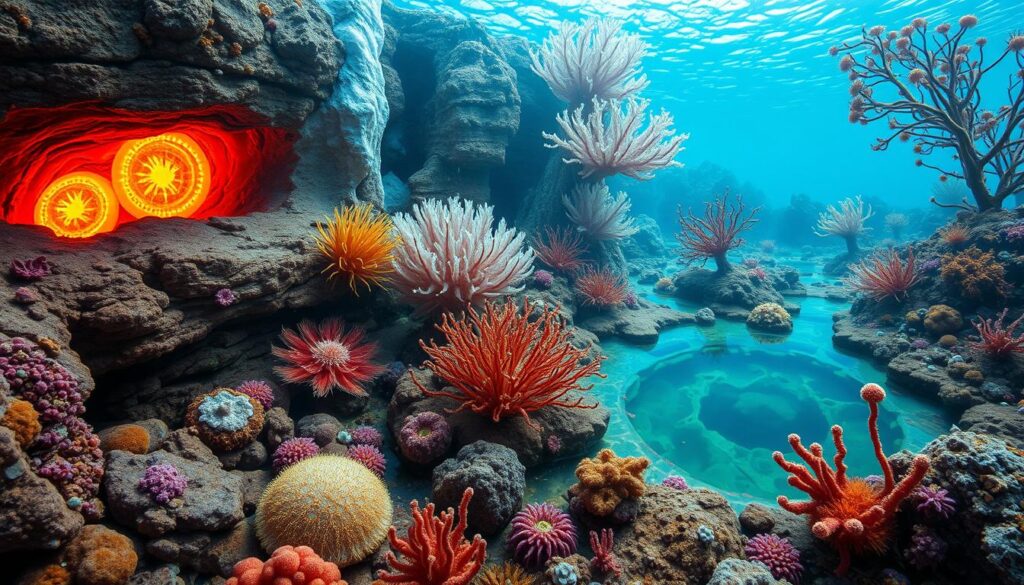
The world of environmental microbiology is vast and fascinating. It spans from the ocean’s depths to mountain heights. By understanding microbes’ roles in sustaining our planet, we can unlock a sustainable future. This ensures our ecosystems thrive for generations to come.
The Future of Microbiology: Emerging Trends
Microbiology is changing fast, with new discoveries that could change how we see the tiny world. Synthetic biology, metagenomics, and CRISPR technology are leading the way. These trends are exciting and could bring big changes.
Synthetic biology lets us engineer microbes for many uses. This includes making biofuels and new medicines. Scientists are making microbes that can do specific jobs better than before.
“The possibilities in synthetic biology are truly limitless. We’re only scratching the surface of what these tiny microbes can do when we empower them with our creative vision.”
Metagenomics is a new way to study microbes. It looks at the genes of whole communities. This helps us find new enzymes and ways to solve environmental problems.
CRISPR technology is also changing microbiology. It lets scientists edit microbes’ genes. This could lead to better ways to clean up pollution, make biofuels, and fight diseases.
These new technologies are making microbiology very exciting. They could unlock the secrets of the microbial world. The future looks bright and full of possibilities.
Educational Pathways in Microbiology
Aspiring microbiologists have many exciting career paths ahead. The field of microbiology offers various academic programs. These programs cover interests from medical microbiology to environmental microbiology and more.
At the undergraduate level, students can get a bachelor’s degree in microbiology. This degree gives a solid base in microbial biology, biochemistry, and genetics. Students also get hands-on research experience, applying their knowledge in real-world settings.
“Microbiology is an ever-evolving field, and the possibilities for innovation and discovery are endless. The skills and knowledge gained through a microbiology education open doors to a wide range of rewarding careers.”
For advanced study, master’s and doctoral programs in microbiology are available. These programs focus on areas like food microbiology, immunology, or molecular biology. They prepare students with the skills and knowledge to tackle complex challenges and advance the field.
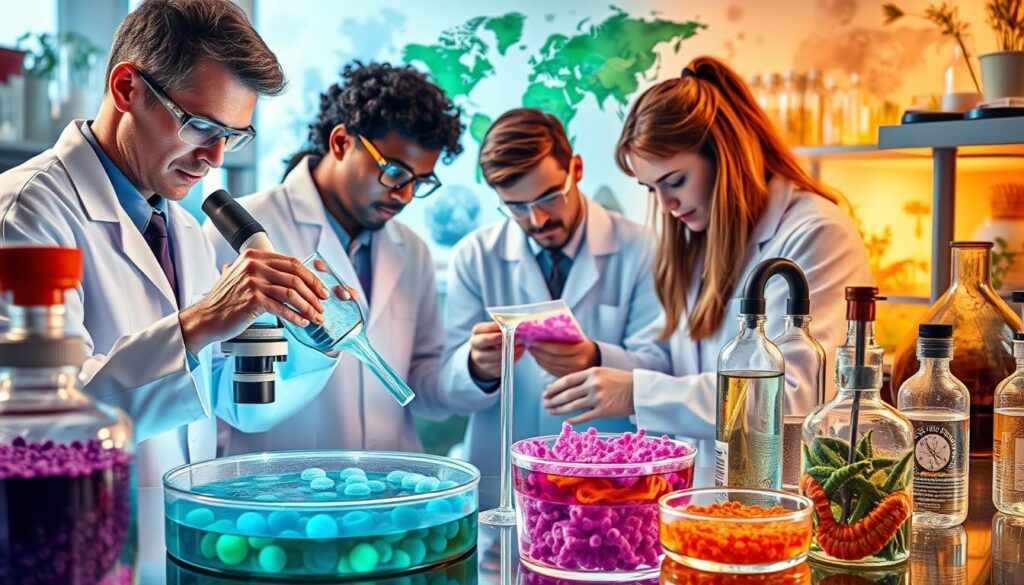
A degree in microbiology opens up many career opportunities. Microbiologists can work in research labs, pharmaceutical companies, public health organizations, or biotechnology. With the world’s challenges growing, the need for skilled microbiologists is increasing. This makes microbiology an exciting and dynamic field to explore.
Conclusion: Celebrating the Microbes
As we wrap up this journey, it’s clear that microbes are key to our lives. They play a big role in keeping ecosystems healthy and have a huge impact on our health. We should really appreciate these tiny beings.
The variety of microbes on Earth is amazing. Scientists are still learning about this hidden world. As we move forward, we’ll make new discoveries that show how important microbes are.
We need to keep celebrating microbes and what they do for us. By valuing microbial life, we help them keep our world balanced. This is important for our planet’s health.