Biotechnology is changing our lives in amazing ways. It uses genetic engineering and DNA manipulation. These tools are making big changes in medicine and farming, solving big problems.
Researchers are using genetic engineering and DNA manipulation for big wins. They’re finding new treatments for diseases and growing better crops. This is changing healthcare and farming for the better.
Let’s dive into biotechnology’s big impact. We’ll learn how it’s changing our world. Join us to see how biotechnology is making a difference in medicine and farming.
What is Biotechnology and Its Importance?
Biotechnology is a field that uses biological systems to create new technologies. It combines many sciences like molecular biology and genetics. This helps solve big problems in healthcare, farming, and protecting the environment.
Biotechnology works with living things like cells and microbes to make new products. It helps make medicines and biofuels that are better for us. The field is always growing and finding new uses.
“Biotechnology is the future, not the past. It represents the greatest opportunity to improve the human condition and the health of our planet that we have ever known.” – Dan Glickman, former U.S. Secretary of Agriculture
Biotechnology is very important. It has changed how we make things, making them better and greener. It has also led to big steps forward in finding and treating diseases, growing food, and keeping our ecosystems healthy.
Biotechnology is a key tool for solving today’s big challenges. It can help make medicines just for you and crops that can survive without much water. Its power to change our lives and make the future better is amazing.
Biotechnology in Medicine
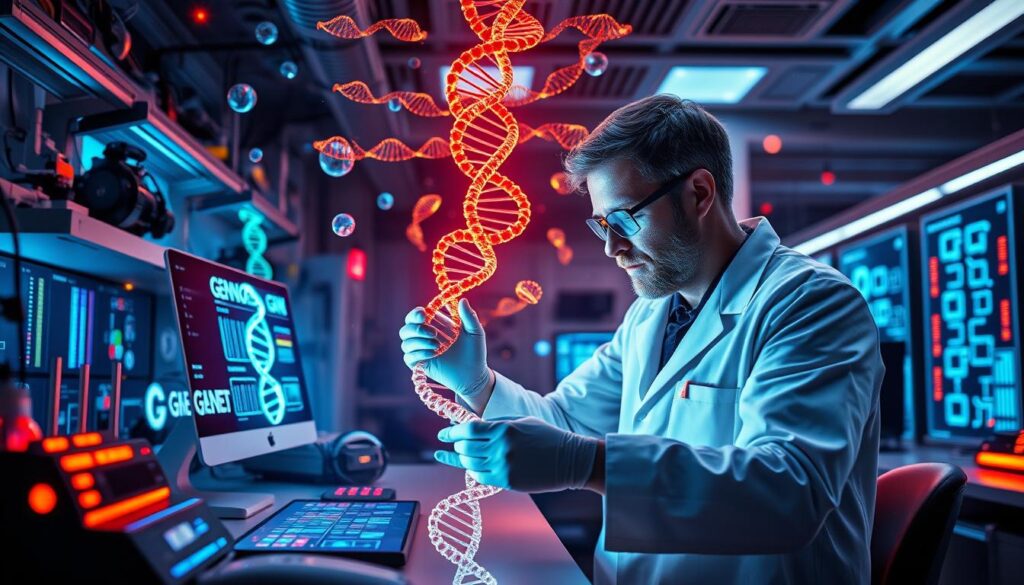
Biotechnology has changed medicine a lot, giving new hope to patients. It’s changing how we see healthcare. Gene therapy is a big hope for treating genetic diseases by fixing the disease’s cause. Scientists are working hard to make gene therapy treatments that fit each person’s genes.
Biotechnology is also helping with biopharmaceuticals. These are medicines made from living things like bacteria or yeast. They are making treatments more effective and personal, fitting each person’s needs better.
It’s also leading to big steps in regenerative medicine. This uses stem cells to fix or replace damaged tissues and organs. It’s a big hope for treating many diseases, giving patients a better life.
“Biotechnology has the potential to revolutionize the way we approach medicine, from treating genetic disorders to regenerating damaged tissues. The future of healthcare is being shaped by the remarkable innovations in this dynamic field.”
As biotechnology grows, we’ll see even more amazing discoveries. These will change how we diagnose and treat diseases. They will lead to better health for everyone in the future.
The Role of Biotechnology in Agriculture
Biotechnology has changed farming, offering new ways to solve big problems. Genetically modified crops are a big step forward. They help farmers grow food that’s better for us, grows more, and fights off pests and harsh weather.
One key area where biotechnology shines is in making crops that can handle different weather. These genetically modified crops are drought-tolerant and pest-resistant. They help feed people in places where water is scarce or pests ruin crops.
“Biotechnology has the power to transform the way we approach agriculture, ensuring a more sustainable and abundant food supply for generations to come.”
Another big goal of biotechnology is to make crops grow more. By changing a crop’s genes, scientists have made new strains that grow better. This means we can use our land more efficiently and feed more people.
As the world’s population keeps growing, we need new ways to farm. Biotechnology helps by improving crop yield improvement, pest resistance, and drought tolerance. It’s a key tool for solving these big problems and making sure we have enough food for everyone.
How Biotechnology Enhances Disease Diagnosis
Biotechnology is changing healthcare fast. It’s making disease diagnosis better. This includes new ways to test for diseases early and accurately.
Molecular diagnostics are a big part of this change. Scientists can now find specific genetic markers for diseases. This means tests can spot diseases early, helping patients get better faster.
Genetic testing is also key. It helps find genetic issues that might lead to certain diseases. This lets doctors and patients plan better care, based on the person’s genes.
“Biotechnology has transformed the way we approach disease diagnosis, allowing for more accurate, personalized, and early detection of various health conditions.”
Biomarkers are another big help. They are signs of disease that doctors can measure. Finding these early can lead to quicker treatment and better health.
Biotechnology will keep making healthcare better. We’ll see more use of AI and personalized medicine. This will lead to even better care for patients.
Ethical Considerations in Biotechnology
Biotechnology is advancing fast, raising big ethical questions. Issues like genetic privacy and the ethics of gene editing, like CRISPR, are complex. These challenges are growing as the field evolves.
Genetic privacy is a major concern. With genetic mapping, there’s worry about misuse of this sensitive info. How can we keep genetic data safe from unauthorized use?
“Genetic privacy is the right of individuals to determine whether, how, and to what extent their genetic information is accessed, used, or disclosed.” – Bioethicist
Gene editing ethics is also a big debate. CRISPR technology can treat genetic disorders and improve traits. But, there are worries about misuse and unintended effects. How do we decide when to use it for good and when for enhancement?
The GMO debate in agriculture is another big issue. Supporters say GMOs can solve food security and environmental problems. But critics are concerned about health and ecological risks.
We need to talk about these ethical issues carefully. We must listen to many views and use science to find the right path. This way, we can balance the benefits and risks of biotechnology.
Biotechnology and Environmental Conservation
Biotechnology is a strong ally in the battle against environmental problems. It uses bioremediation to clean polluted areas. This method employs microbes and plants to break down harmful substances like heavy metals and oil spills.
It also helps in making biodegradable materials. This is important because of the growing issue of plastic pollution. Researchers are working on creating materials that can easily decompose. These materials help reduce waste and aid in pollution control.

Biotechnology also aids in ecological restoration. Scientists are breeding plants that can grow well in damaged areas. This helps restore ecosystems. It also supports the conservation of endangered species through methods like cryopreservation and captive breeding.
“Biotechnology is a game-changer in the realm of environmental conservation, providing innovative solutions to some of the most pressing ecological challenges we face.”
As we face the effects of environmental damage, biotechnology offers hope. It gives us science-based, sustainable ways to tackle these problems.
The Economic Impact of Biotechnology
The biotechnology industry is a key driver of economic growth. It creates jobs and sparks innovation in many sectors. As the bioeconomy grows, biotechnology’s global economic impact is becoming more important.
Biotechnology has fueled the growth of the bioeconomy. This includes industries that use biological processes and renewable biomass. The global bioeconomy is now worth over $4 trillion a year. The biotechnology industry is expected to grow by 7.4% annually from 2022 to 2027, opening up new job opportunities in healthcare, agriculture, and environmental technology.
“The biotechnology industry has the potential to create millions of high-paying jobs in the coming years, as the development of new technologies and applications continues to accelerate.”
Biotechnology not only creates jobs but also boosts an innovation ecosystem. This ecosystem helps develop new products and services quickly. Companies use biotechnology to create sustainable biofuels and personalized medical treatments. This innovation boosts the economy and makes countries more competitive.
The biotechnology industry is crucial for addressing global challenges. It helps drive economic progress and tackles big issues. By working together, governments and businesses can unlock new opportunities and create a better future.
Advances in Agricultural Biotechnology
The field of agricultural biotechnology is seeing big changes. These changes are changing how we farm today. New CRISPR crop editing and precision agriculture are leading the way. They make farming more productive, sustainable, and good for the environment.
Precision agriculture is a big deal. It lets farmers watch and manage their crops closely. With GPS, sensors, and data, farmers can use resources better, cut down waste, and grow more. This method is good for both farmers and the planet.
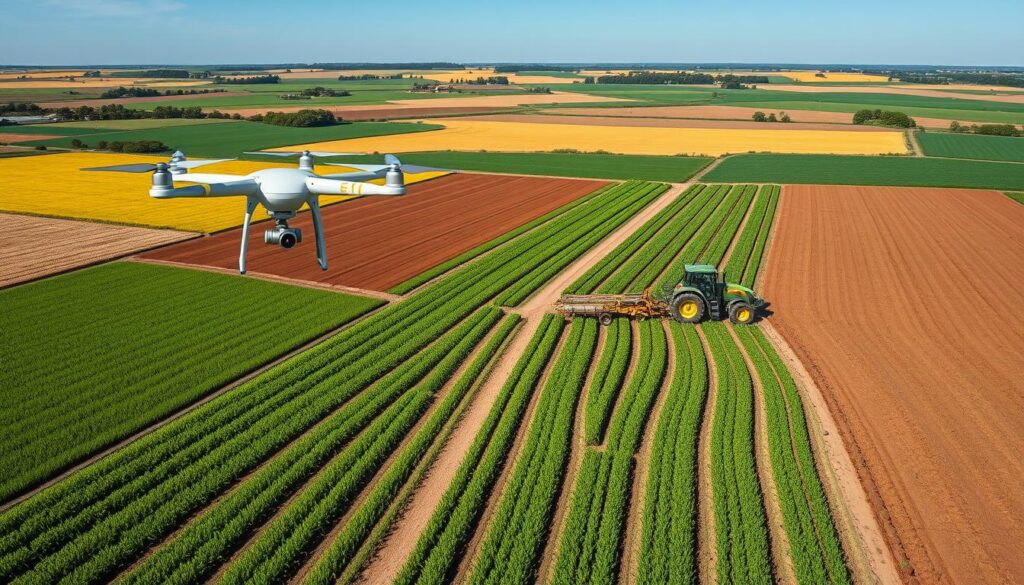
CRISPR crop editing is also making waves. It lets scientists change plant genes to make them better. They can make plants stronger against diseases, better at handling drought, and more nutritious. CRISPR is changing biopesticides and making farming more sustainable.
Vertical farming is another big step forward. It grows crops in layers, using less land, water, and energy. This method helps solve food problems and is a green way to farm.
These new technologies are changing farming for the better. They promise a future where farming is more efficient, green, and productive. With precision, gene-editing, and new farming ways, we’re shaping a better food future.
Future Trends in Biotechnology
Biotechnology is growing fast, with new and exciting things coming up. Synthetic biology is one area where scientists are creating artificial life. They use DNA to make new organisms that can do things like make biofuels or find pollutants.
Nanotechnology and biotechnology are also coming together. Nanoparticles help with drug delivery and disease diagnosis. They even help fix damaged tissues. This mix of technologies is leading to big steps in personalized medicine.
Artificial intelligence (AI) is also changing biotechnology. It helps find new drugs, understand genes, and make biomanufacturing better. AI is making science faster and more accurate.
Organ-on-a-chip technology is also a big deal. It’s like tiny, real organs that help test drugs. This way, scientists can see how drugs work better than before.
“The future of biotechnology is not just about creating new products, but about fundamentally changing the way we understand and interact with the living world.”
These new technologies will change medicine, farming, and how we care for the environment. We need to keep moving forward with these advancements to make a better future.
Biotechnology Education and Research
The future of biotechnology depends on well-trained professionals. They need a deep understanding of STEM education. The field is growing with new discoveries and innovations.
Universities and colleges in the United States are leading this revolution. They offer programs that prepare students for complex challenges. These industry collaborations between schools and companies are crucial. They make sure the next biotechnology experts are ready to make a difference.
“Biotechnology is a key driver of scientific progress, and its influence can be seen in everything from medical breakthroughs to sustainable agricultural practices. Investing in biotechnology education is paramount to unlocking the full potential of this dynamic field.”
Top research institutions like MIT, UC Berkeley, and Johns Hopkins are leading in biotechnology research. They work with companies to bring new ideas to life. This changes how we approach medicine, agriculture, and protecting the environment.
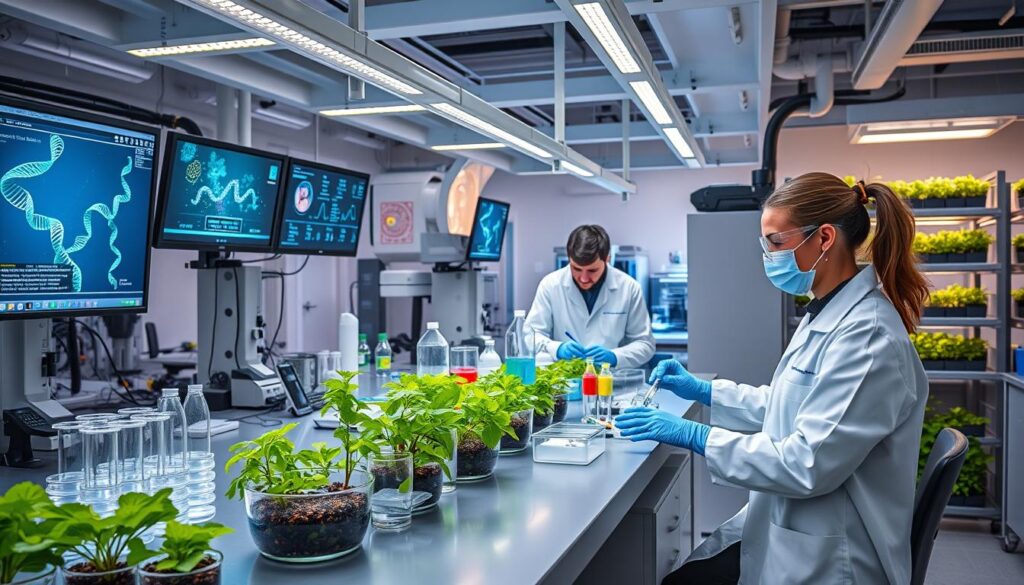
The role of STEM education and partnerships between schools and companies is vital. By training a new generation of biotechnology experts, we’re ready for the next big scientific leap. This will improve lives worldwide.
Conclusion: Embracing the Biotechnology Revolution
The future of biotechnology is full of promise. It could change how we see medicine, agriculture, and protecting the environment. As we explore genetic engineering and molecular biology, we see its big impact worldwide.
Biotechnology is helping us find new treatments for diseases and make crops better. It’s making our lives better by bringing new tech into our daily lives. These advances can solve big problems and make life better for everyone.
We must be careful and think about the ethics of biotechnology’s fast growth. We need to make sure these new technologies are used wisely. Working together and staying true to science, we can use biotechnology to make a better world for everyone.