
History books often talk about wars, political changes, and empires rising and falling. But there’s a hidden world of strange and interesting events that have shaped our world in surprising ways. This article looks at ten amazing and little-known historical events that make us see the past in a new light.
Get ready to enter a world where the usual rules don’t apply. Here, the strange becomes normal. Discover the tales of these bizarre historical events that are often forgotten but can change how we see human history.
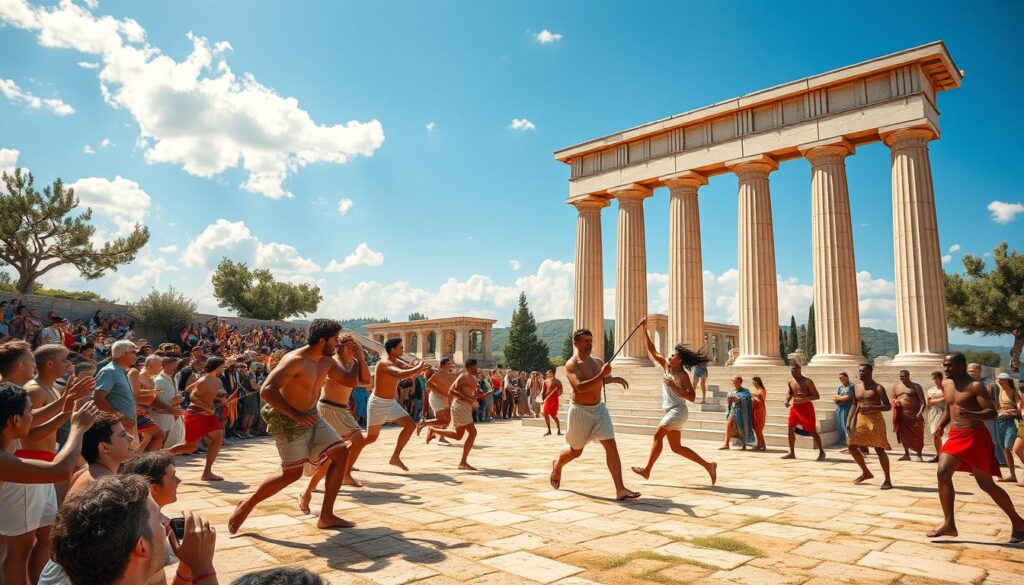
Unusual Beginnings: The Start of the Olympic Games
The ancient Olympic Games were very different from today’s global sports events. They were deeply rooted in Greek traditions. These athletic competitions had unique aspects that distinguish them from modern historical sports.
One of the most striking things was that athletes competed in the nude. This might seem odd today, but it was a sign of purity and commitment. Winners received olive wreaths, honoring the sacred olive trees of Olympia.
“The games were closely tied to religious ceremonies honoring Zeus, the king of the Greek gods. Athletes and spectators alike participated in rituals and offerings, underscoring the divine nature of the event.”
These traditions helped shape the Olympic Games we know today. They show the lasting impact of ancient Greek traditions and the changing face of historical sports. From their beginnings, filled with reverence and ritual, the ancient Olympics have become a global event. They captivate people everywhere with their mix of sports, tradition, and excitement.
The Great Emu War: Australia’s Feathered Foe
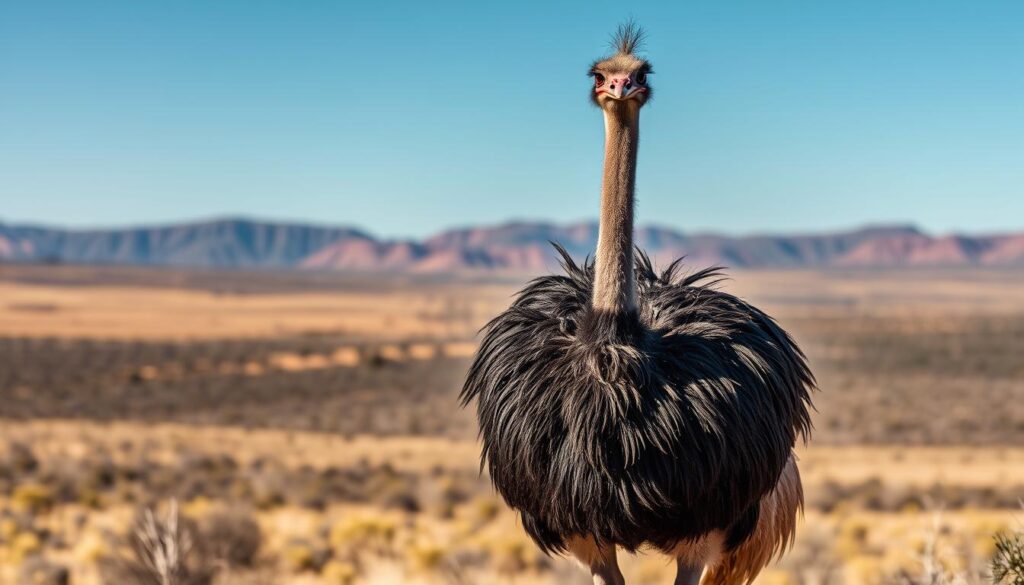
Australia’s Australian history is full of interesting stories. But one event is especially odd – the “Great Emu War” of 1932. The Australian government sent soldiers with machine guns to fight an unexpected foe: emus. These large, flightless birds were destroying crops in rural areas.
This wildlife management effort, known as the “Great Emu War,” was a big loss for humans. Despite their guns, the soldiers couldn’t stop the emus. The birds seemed not to care about the bullets. This showed how hard it is to manage wildlife populations.
“The emus have proved that they are the side that can win the day. They have got off the field and we have got the field.”
The Great Emu War teaches us that not all battles are won with guns. It shows the fine line between human needs and nature. This lesson still affects Australian history and wildlife management today.
The Dancing Plague of 1518: A City Under Spell
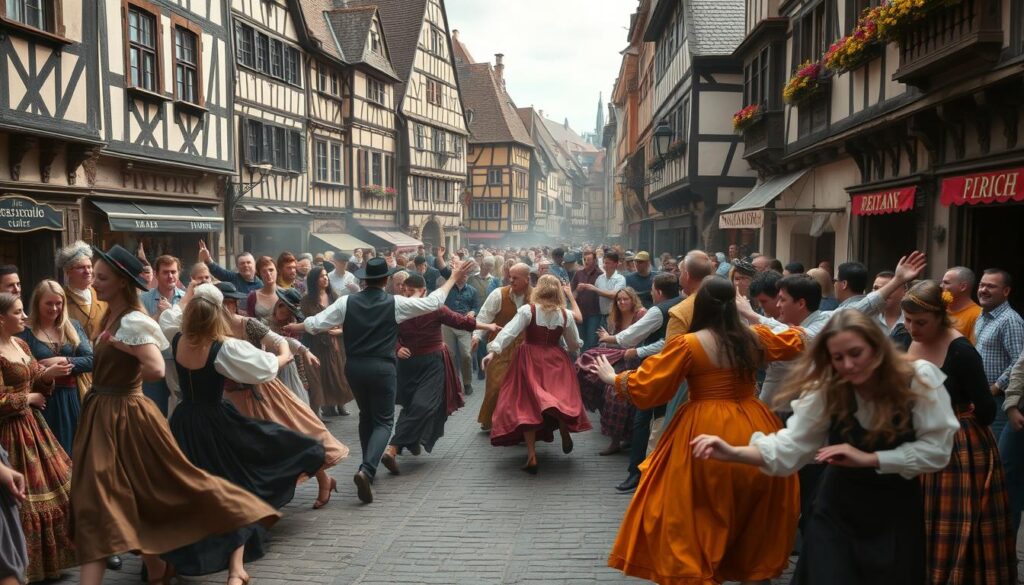
In 1518, Strasbourg, France, was hit by a strange event. Hundreds of people were caught in a “dancing plague.” They danced for days or weeks without stopping. This led to many deaths from exhaustion and heart attacks, putting the city under a mysterious spell.
Many theories try to explain this strange event. Some think it was a form of medieval history psychosis. This was fueled by the era’s religious fervor and social unrest. Others believe ergot poisoning, a fungus that causes hallucinations and uncontrollable movements, was to blame.
“The dancing plague of 1518 remains one of the most bizarre and inexplicable mass hysteria events in recorded history.”
Even after all this time, we still don’t know what caused the “dancing plague.” It’s a mystery that has left historians and scientists baffled. The social contagion that spread through the city is still fascinating to those who study medieval history and mass hysteria.
The Year Without a Summer: 1816’s Global Chill
The year 1816 was a time of global climate disruption. It had far-reaching consequences that still echo in history. A massive volcanic eruption in Indonesia was the cause.
In April 1815, Mount Tambora erupted with incredible force. It released millions of tons of ash and gases into the air. This event changed weather patterns worldwide, leading to the “Year Without a Summer.”
“The sun was a pale, dim orb, shrouded in a veil of hazy gray, casting an eerie, otherworldly glow over the land.”
The eruption’s effects were felt everywhere. Climate history was changed as temperatures dropped. This caused agricultural crisis and disrupted global weather patterns.
Crops failed, livestock died, and famine spread. This led to social unrest and mass migration.
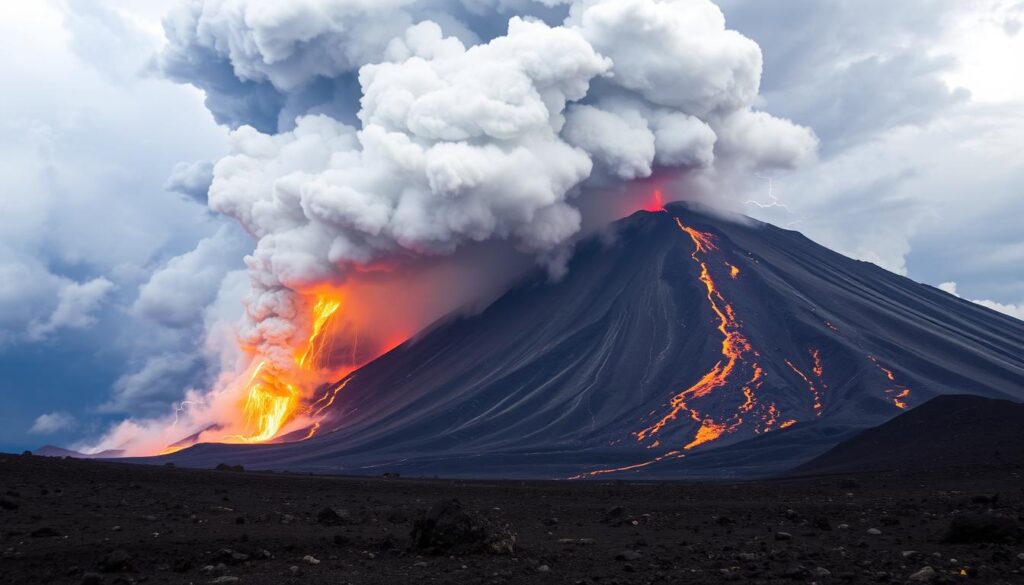
The literary world was also affected. Mary Shelley wrote “Frankenstein” during this gloomy summer. The rain and cold forced her and her friends to seek shelter.
The Year Without a Summer left a lasting impact. It shows how global weather patterns can affect us. It teaches us the importance of understanding and preparing for such events.
Napoleon’s Abduction by the Art World
The Napoleonic era was filled with political turmoil and cultural change. In 1810, a remarkable event happened. A group of German art lovers took Napoleon Bonaparte’s portrait from the Louvre in Paris.
This bold move was to save cultural treasures during hard times. They wanted to protect the art history and historical artifacts of the Napoleonic era. By taking the portrait, they kept it safe from the chaos around them.
“Art knows no boundaries, and its preservation transcends political divisions.”
This event showed how art can bring people together, beyond national differences. It also showed the importance of art history in shaping our culture. The “kidnapping” of the portrait became a symbol of fighting to save our cultural heritage.
This event in art history reminds us of the lasting value of cultural preservation. It shows how art can overcome political barriers. The “abduction” of Napoleon’s portrait proves that people can protect our shared cultural legacy.
The Great Molasses Flood: A Sticky Situation
In the heart of Boston, a strange disaster happened in 1919. It changed how we think about safety in factories. The Great Molasses Flood was a disaster where a huge tank burst, sending molasses through the streets.
The molasses flood was incredibly powerful. It destroyed buildings, overturned trolleys, and trapped people. It killed 21 and hurt 150, causing a lot of damage.
“It seemed as though the whole world had turned to molasses.”
This urban disaster shocked Boston and made the whole country wake up. It showed we need better engineering and safety rules. The environmental hazard led to big changes in how tanks are built and kept safe. This made Boston safer for everyone.
The Great Molasses Flood shows how unpredictable our world can be. It teaches us to always put safety first. This strange event warns us that even the most unexpected things can be very dangerous.
The Phantom Time Hypothesis
The Phantom Time Hypothesis is a fascinating and debated idea in history. It claims that the Early Middle Ages, from 614 to 911 AD, never happened. Instead, Holy Roman Emperor Otto III made up these years, adding 297 to the calendar. This could change how we see medieval history and timekeeping.
Even though most historians don’t believe it, the idea still interests many. It makes us question the truth of medieval history and how we see time.
“The Phantom Time Hypothesis is a fascinating example of how historical conspiracy theories can challenge our understanding of the past.”
This theory suggests the early medieval period was made up. It might have helped the Holy Roman Empire’s politics and religion. Supporters say there’s not much proof from that time, which supports their theory.
The debate over the Phantom Time Hypothesis is ongoing. Most experts don’t think it’s true because there’s no solid evidence. Yet, it shows how questioning history can make us think differently about the past and time itself.
Oddities of the American Civil War
The American Civil War was a key moment in U.S. history. It was filled with unusual events that are often overlooked. The war saw new military tactics and technological innovations, changing wartime customs forever.
One odd thing was the use of observation balloons. These balloons gave commanders a view from above, helping them plan better. The Confederacy also tried submarine warfare, a new way to attack ships.
“The American Civil War was a crucible of innovation, where the old and the new collided, forever transforming the nature of warfare.”
The Civil War also showed us the effects of war on people. It introduced us to “soldier’s heart,” now known as PTSD. This understanding of war’s impact has shaped how we view history and the innovations that came from it.
The American Civil War was a time of great change. It saw the introduction of new military tactics and technological innovations. These changes have had a lasting impact on warfare and Civil War history.
Unique Formations in Historical Events
History is full of strange coincidences that challenge our understanding. These events seem to follow patterns, making us question chance and causality. They show how the world can be shaped in unexpected ways.
Take the case of Sir Isaac Newton and Gottfried Leibniz, who both developed calculus in the late 1600s. They worked alone but reached similar conclusions, changing science forever. Charles Darwin and Alfred Russel Wallace also came up with the theory of natural selection around the same time. Their work shows how human minds can reach the same groundbreaking ideas.
The connections between historical figures are also intriguing. For example, the assassinations of Presidents Lincoln and Kennedy share eerie similarities. Both were shot on a Friday, with their wives present. They were followed by vice presidents named Johnson, and their successors were both from the South named Andrew. These parallels continue to fascinate, making us wonder about the patterns in human history.