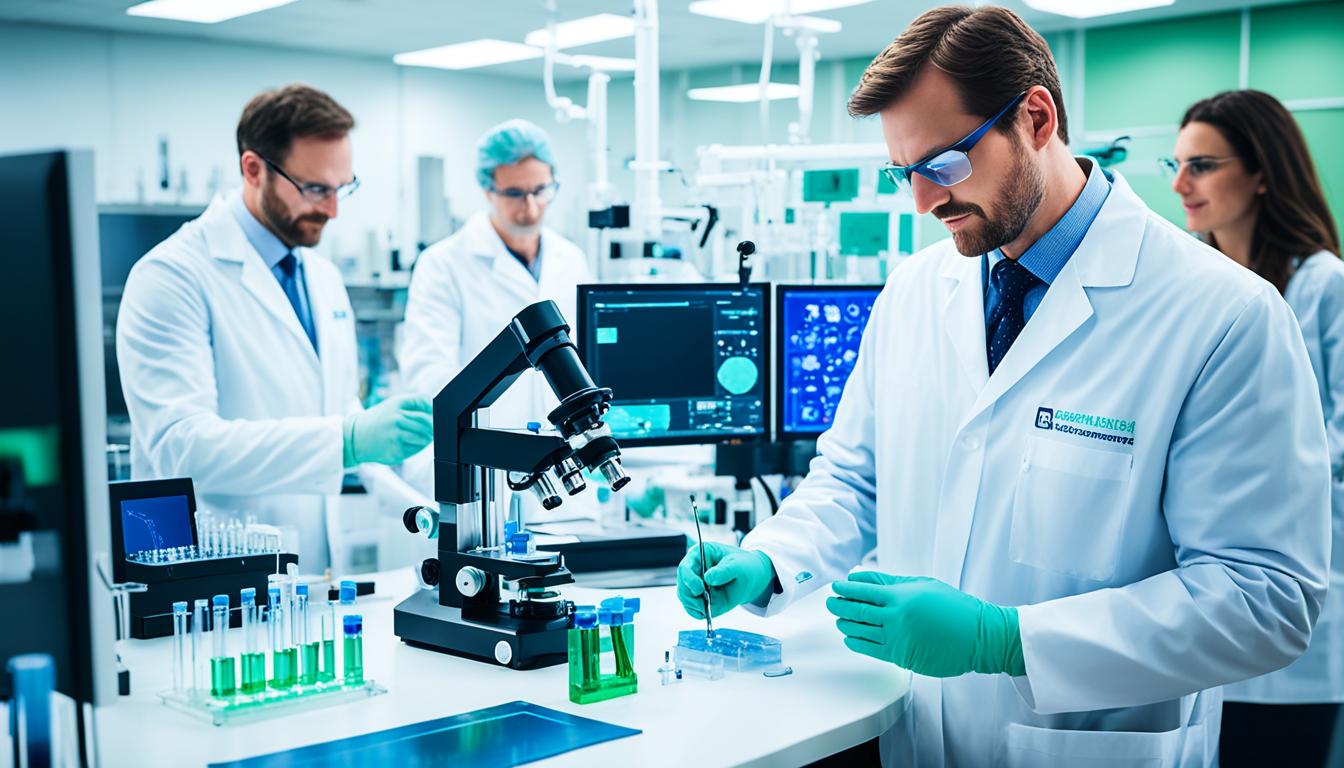
The field of medical science is changing fast, bringing us into a new era of healthcare. This article looks at 10 big discoveries that are changing how we treat diseases. From new cancer treatments to big steps in neuroscience and regenerative medicine, these medical science advancements are changing healthcare. They’re bringing healthcare innovations that could greatly improve lives worldwide.
We’ll explore these medical science advancements and see the latest in immunotherapy, gene therapies, and treatments for neurodegenerative diseases. The future of medicine looks bright, thanks to these healthcare innovations. They’re leading us to a new era of healthcare that’s more precise and effective.
Revolutionizing Cancer Treatment
The world of cancer treatment is changing fast, thanks to new advances in immunotherapy and gene therapy. These new methods are changing how we fight cancer. They bring new hope to patients and their families.
Immunotherapy Breakthroughs
Immunotherapy is a new way to fight cancer. It uses the body’s immune system to find and attack cancer cells. This approach has shown great success in treating different cancers like lung, melanoma, and lymphoma.
Targeted Gene Therapies
Targeted gene therapies are also changing the game in cancer treatment. They use genetic engineering to target the root causes of cancer. This means treatments can be more precise and tailored to each patient. By focusing on specific genetic mutations, these therapies can stop cancer cells from growing.
The future looks bright for cancer treatment, thanks to these advances. As research and trials go on, we’ll likely see even more breakthroughs. This will lead to better treatments and a better quality of life for cancer patients.
Unlocking the Secrets of the Brain
Recently, neuroscience has made huge strides, revealing how our brains work. Researchers are now focusing on the complex causes of neurodegenerative diseases. This could lead to new treatments and therapies.
Neurodegenerative Disease Advancements
Diseases like Alzheimer’s, Parkinson’s, and ALS are tough for doctors to handle. But new discoveries in neuroscience bring hope. Advanced imaging, genetic studies, and new treatments are helping us understand these diseases better.
Scientists are studying the brain deeply to find out what causes these diseases. This could lead to better treatments tailored for each person. With new discoveries in molecular biology and neuroprotective strategies, we’re on the verge of a breakthrough in treating these diseases.
As we learn more about the brain, we can help people with neurodegenerative diseases more. The future of neuroscience looks bright. It promises to give us a deeper understanding of the mind and better ways to fight these diseases.
Science: Fueling Innovation
Groundbreaking scientific discoveries are changing the medical field. They bring us new tools like artificial intelligence and robotics. These innovations are changing how we handle health issues.
Science is moving fast, leading to new medical breakthroughs. AI and robotic surgery are making medical treatments better. Genetic mapping and regenerative medicine are making treatments more tailored to each patient.
Thanks to science, doctors are ready to tackle big health problems. They aim to beat infectious diseases and understand the human brain better. This drive for innovation is changing healthcare and improving lives worldwide.
Regenerative Medicine Marvels
The field of regenerative medicine is seeing big breakthroughs. Researchers are unlocking the power of stem cell therapies and organ bioengineering. These new methods have huge promise for treating many serious conditions.
Stem Cell Therapies
Stem cell treatments are changing how we fix damaged tissues. Doctors use stem cells to repair or replace damaged tissues. This gives hope to patients with many conditions, from spinal cord injuries to neurodegenerative diseases.
Organ Bioengineering
Organ bioengineering is another big step in regenerative medicine. Scientists can now make new organs using a patient’s own cells. This means no need for donor organs and less risk of rejection. It could save many lives and greatly improve life quality for those needing organ transplants.
Regenerative medicine, with its focus on stem cell therapies and organ bioengineering, is reshaping healthcare. These advances bring hope and new possibilities to patients. They’re changing how we deal with many serious conditions.
Conquering Infectious Diseases
Medical science is making big steps in fighting infectious diseases. Researchers are working hard on vaccine development. This is changing the way we fight diseases, giving hope to millions.
Vaccine Developments
The COVID-19 pandemic showed us how vital vaccine research is. Scientists quickly made vaccines that saved many lives. Now, they’re working on vaccines for diseases like malaria, HIV, and Ebola too.
These vaccines help us prevent and control diseases. They protect people from serious illnesses. This is a big win for global health, helping communities worldwide.
Scientists are always finding new ways to fight diseases. The future looks bright for a healthier world. These advances are saving lives and helping us manage diseases better.
Personalized Medicine Revolution
Personalized medicine is changing how we prevent, diagnose, and treat diseases. It uses a person’s genetic and biological info for better treatments. This leads to better results and fewer side effects.
Genetic testing is key in personalized medicine. It shows a person’s unique genetic traits. Doctors can then find the best treatments for each patient. This is changing how we handle many diseases, like cancer and neurological issues.
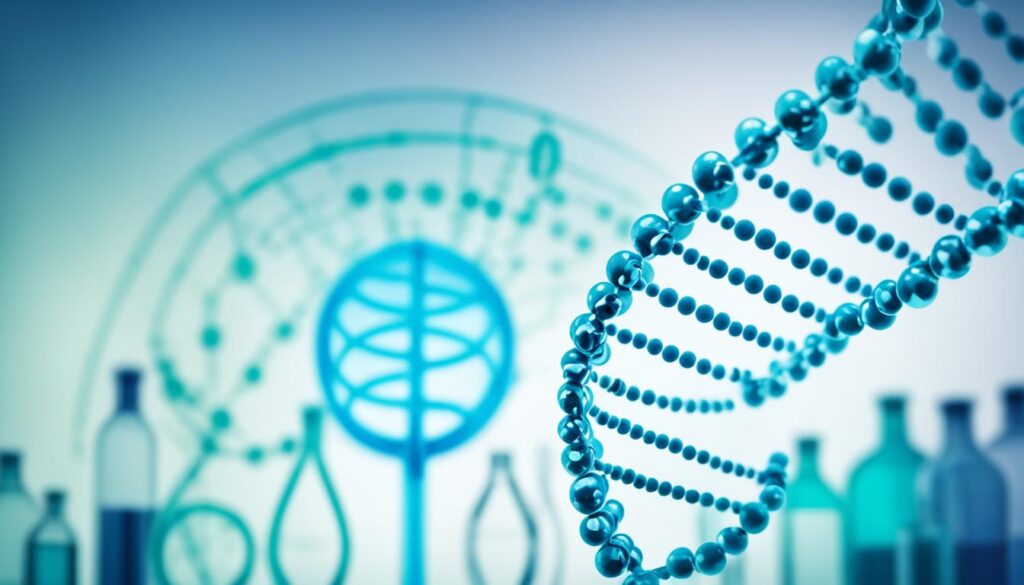
Personalized medicine is also changing how drugs are made. Companies can now create treatments that match a patient’s genes. This means better results and fewer side effects.
This field is growing fast, promising a future where healthcare fits each person’s needs. It’s leading to a new era of medicine where patients get the best care possible. This approach puts the patient’s needs first in treatment decisions.
Cutting-Edge Surgical Techniques
The field of medicine is changing fast, thanks to new technologies and techniques. One big change is the rise of robotic-assisted surgery. This new way of doing surgery is changing how we care for patients.
Robotic-Assisted Procedures
Robotic surgery is a new way to do surgery that uses robots to help. These robots make surgeries more precise and less invasive. They let surgeons do complex operations with better accuracy and smaller cuts.
This new method is changing many areas of medicine. It helps surgeons do better work and makes patients recover faster. With robots, surgeons can reach into tight spots and work on tiny tissues with great care.
As surgery gets more advanced, robots and new tech are changing what we can do in the operating room. These changes mean surgeries can be more tailored to each patient, less invasive, and more likely to succeed. This is good news for both doctors and patients.
Decoding the Human Genome
Researchers are working hard to fully understand the human genome. This has led to big steps in genetic analysis and personalized healthcare. By decoding our genetic blueprint, they’re learning more about health and disease. This knowledge helps with better diagnosis, targeted treatments, and predicting health outcomes.
Genetic Mapping Advancements
New genetic mapping technologies have changed how we see the human genome. Now, scientists can look at an individual’s DNA very closely. They can find genetic variants and traits that might affect health. This info helps make healthcare more personal, with treatments suited to each person’s genes.
These advances in human genome research and mapping are changing medicine. Doctors and scientists use genetic data to make better therapies and predict disease risks. This lets people take charge of their health. As this area grows, we’ll see more personalized healthcare and better health based on our genes.
Harnessing the Power of AI
Artificial intelligence (AI) and machine learning are changing healthcare. They help doctors make better decisions and work more efficiently. AI also helps give patients care that fits their needs.
AI is used in many ways, like finding new drugs and planning treatments. It looks at lots of medical data to find important patterns. This helps doctors make smarter choices.
In digital diagnostics, AI can read medical scans better than humans. This is a big step forward in healthcare.

AI is also speeding up how we find new medicines. It can test drugs and predict how well they’ll work. This makes finding effective treatments faster.
As AI becomes more common in healthcare, we can expect better care for everyone. Technology will help doctors give the best care possible. This will lead to better health outcomes for patients.
Advancements in Medical Imaging
The field of medical imaging is changing fast, thanks to new diagnostic technologies. Now, doctors can see the body in detail, helping them find diseases early and treat them better. Techniques like PET scans and MRI are changing how we fight diseases.
Molecular Imaging Technologies
With molecular imaging, doctors can see diseases at the cell level. This means they can spot problems early, like cancer or brain diseases, by tracking specific signs. This leads to better diagnoses and treatments made just for you.
New medical imaging tools, thanks to molecular imaging, are changing healthcare. They help find diseases early and precisely. This means better treatments and a better life for patients.
The Future of Medical Science
The future of medical science looks bright with exciting advancements. Gene therapies and regenerative medicine are leading the way, offering hope to those with severe diseases. With AI and new imaging tech, diagnosing and treating diseases will get better, leading to improved health outcomes and lower costs.
Transformative technologies are set to change healthcare. Personalized medicine and robotic surgery are just the start. These innovations will lead to more lives saved and better quality of life for many.
The medical community’s drive for innovation and teamwork will fuel future breakthroughs. By using these new technologies, we’re entering an era of hope and endless possibilities for better health and well-being.